What to Expect During a Flat or Single-Ply Roof Installation
People searching for single-ply roof installation are usually looking to ensure a durable, waterproof roof, and local contractors can provide expert installation and guidance.
Understanding what to expect during a flat or single-ply roof installation can help property owners feel more prepared for the process. Typically, this type of project involves several key steps, including surface preparation, installation of the roofing membrane, and final inspections. Local contractors who specialize in single-ply roofing bring experience to ensure each phase is handled efficiently and properly, minimizing disruptions and ensuring the durability of the new roof. Knowing what these stages entail can provide peace of mind and help property owners plan accordingly for a successful upgrade.
For property owners in the area exploring flat or single-ply roof installations, it’s important to recognize that a professional installation often involves careful assessment of the existing roof structure, proper sealing, and attention to weatherproofing details. Local service providers are equipped with the expertise to manage these aspects, ensuring the new roofing system performs as intended. Keep reading to learn more about the typical process and how local contractors can assist in achieving a reliable, long-lasting roof for your property.
- Single-Ply Roof Installation - homeowners considering a flat roof upgrade can rely on local contractors to handle the installation process efficiently.
- Single-Ply Roof Installation - when a roof needs a durable, waterproof surface, service providers typically prepare the existing structure and apply the membrane with precision.
- Single-Ply Roof Installation - property owners replacing an aging roof can expect local pros to assess the site and ensure proper sealing and insulation during installation.
- Single-Ply Roof Installation - those seeking a low-maintenance roofing option often work with local contractors who focus on seamless membrane application and quality finishing.
- Single-Ply Roof Installation - businesses or residents planning for a new flat roof can expect local service providers to follow best practices for a secure, long-lasting installation.
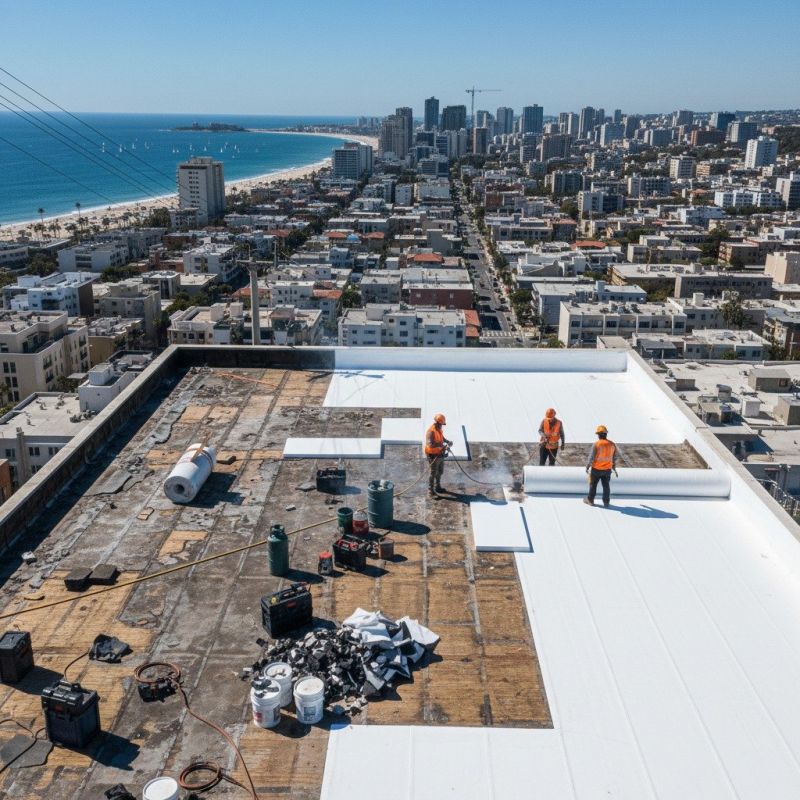
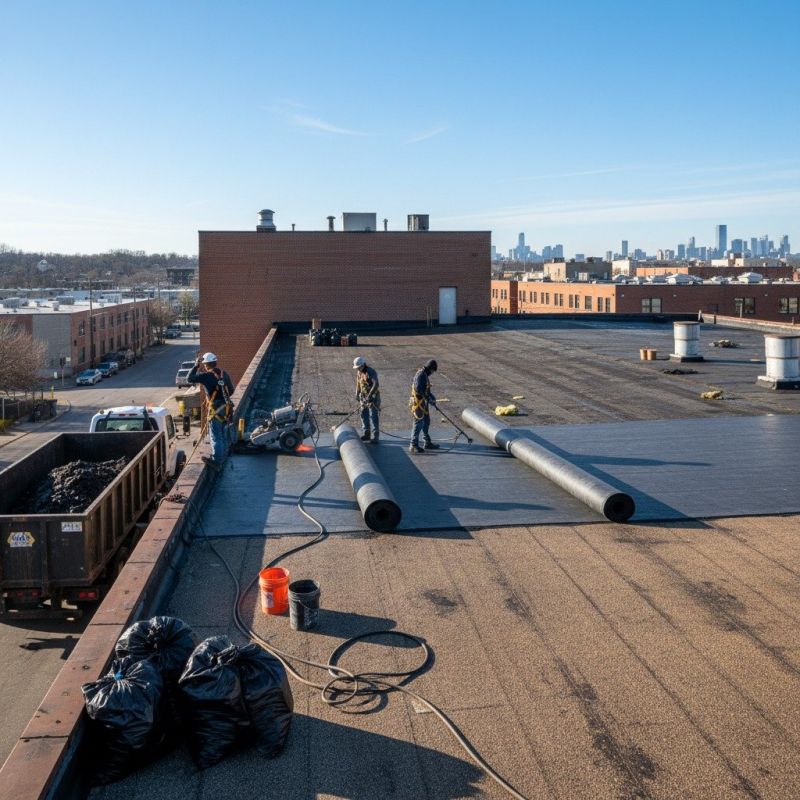
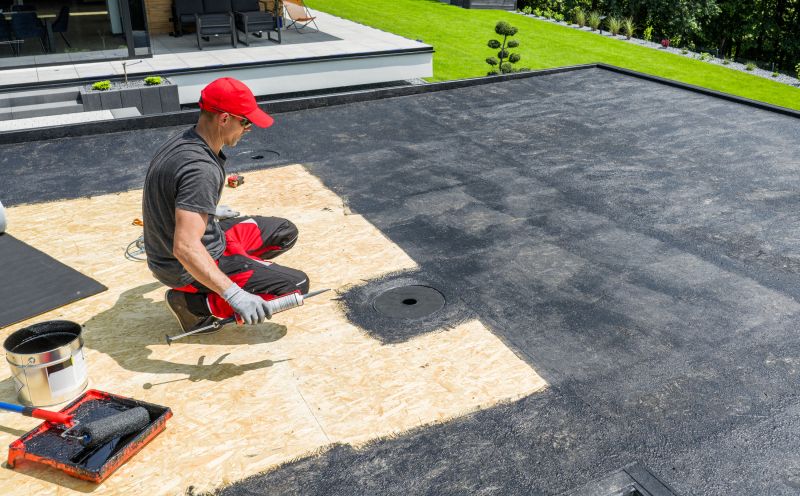
Understanding what to expect during a flat or single-ply roof installation helps homeowners prepare for the project and make informed decisions. This type of roofing is often chosen for commercial buildings, multi-family residences, or homes with flat or low-slope roofs, where traditional shingles may not be suitable. When searching for this topic, homeowners typically want to learn about the process involved, potential disruptions, and the overall timeline. They may also be interested in how the installation impacts their property’s appearance and functionality, especially if they are considering a replacement or new installation on an existing flat roof.
Flat or single-ply roof installations are closely related to projects aimed at improving roof durability, waterproofing, and energy efficiency. These roofs are designed to provide a seamless, watertight surface that can withstand pooling water and resist weather-related wear. Common problems that lead to considering a new flat or single-ply roof include leaks, ponding water, or aging materials that no longer perform well. Property owners often plan these projects as part of a broader effort to upgrade their building’s exterior or address ongoing maintenance issues. The types of properties that come up in this context typically include commercial warehouses, apartment complexes, and residential buildings with flat or low-slope roofs.
The installation process for a flat or single-ply roof generally involves several key steps. It begins with a thorough inspection of the existing roof, followed by cleaning and preparing the surface to ensure proper adhesion. Local service providers will then install a new membrane-such as TPO, PVC, or EPDM-using specialized techniques to secure it tightly and prevent future leaks. During the installation, residents or building occupants might notice some noise and activity on the roof, but these disruptions are usually temporary. Once the new membrane is in place, the contractor will inspect the work to confirm a proper, watertight seal, ensuring the roof performs as intended for years to come.
Choosing the right local contractors for a flat or single-ply roof installation is essential to achieving a quality outcome. These service providers bring experience in handling different types of membranes and installation techniques suited to various property types. Homeowners should expect that a professional team will handle the preparation, installation, and cleanup, minimizing inconvenience and ensuring the roof’s longevity. Connecting with local pros allows property owners to compare options, ask questions about the process, and find the right team to handle their flat or single-ply roof project efficiently and effectively.
Roof membrane replacement projects involve removing or overlaying existing roofing materials, requiring similar planning and skill as single-ply roof installations to ensure proper adhesion and waterproofing.
Commercial roofing upgrades often utilize flat roofing systems, making the skills used in single-ply installations applicable for ensuring durability and weather resistance in larger-scale projects.
Roof deck preparation and repairs focus on ensuring the surface is suitable for membrane application, a step that shares tools and techniques with proper installation of single-ply roofing systems.
Waterproofing and membrane sealing projects involve applying specialized materials to prevent leaks, paralleling the processes used during flat roof membrane installation by local contractors.
Roof insulation installation on flat roofs requires precise planning and layering, which complements the preparation work involved in single-ply roof installation to improve energy efficiency.
Emergency roof patching services demand quick assessment and membrane application skills, similar to those used during the installation of single-ply roofing systems to restore waterproof integrity.
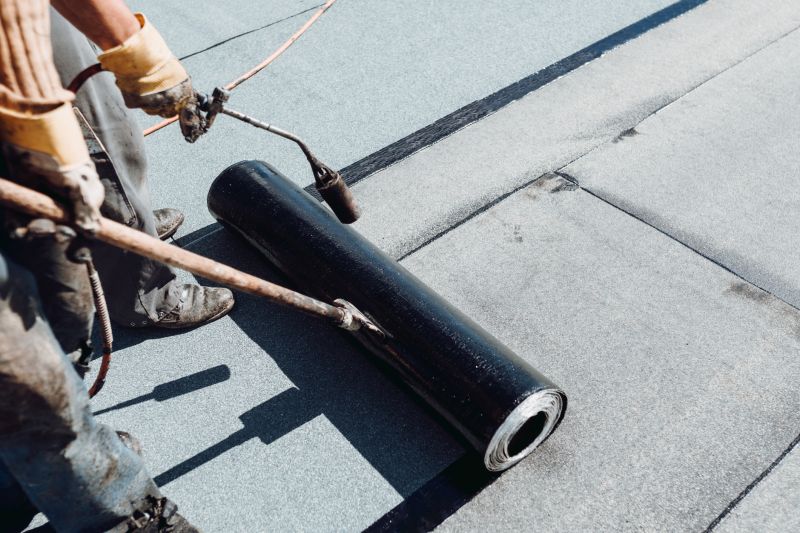
When evaluating service providers for a flat or single-ply roof installation, it is important to consider their experience with similar projects. Homeowners should seek out local contractors who have a proven track record in installing this specific roofing type, as familiarity with the unique materials and techniques involved can contribute to a smoother process. Reputable local pros often have a portfolio of completed projects that demonstrate their expertise, and reviewing references or testimonials can provide additional insight into their ability to handle the scope and complexity of single-ply roofing installations effectively.
Clear communication about what to expect during a flat or single-ply roof installation is essential for building trust and ensuring a smooth experience. Service providers who are transparent about their procedures, timelines, and the materials used help homeowners understand each stage of the project. Well-informed contractors can also set realistic expectations regarding potential disruptions and the steps involved, making it easier for homeowners to prepare and feel confident about the work being performed.
Finally, comparing local contractors based on their reputation for good communication and professionalism can make a significant difference in the overall experience. Reliable service providers prioritize keeping homeowners informed, answering questions promptly, and providing detailed explanations of the installation process. This level of engagement helps ensure that homeowners feel comfortable throughout the project and that the installation proceeds as smoothly as possible, ultimately leading to a positive outcome for their flat or single-ply roof.
Property owners often search for what to expect during a flat or single-ply roof installation when they are planning practical projects around their homes and businesses. Local pros provide Single-Ply Roof Installation services for everyday jobs and straightforward project options.
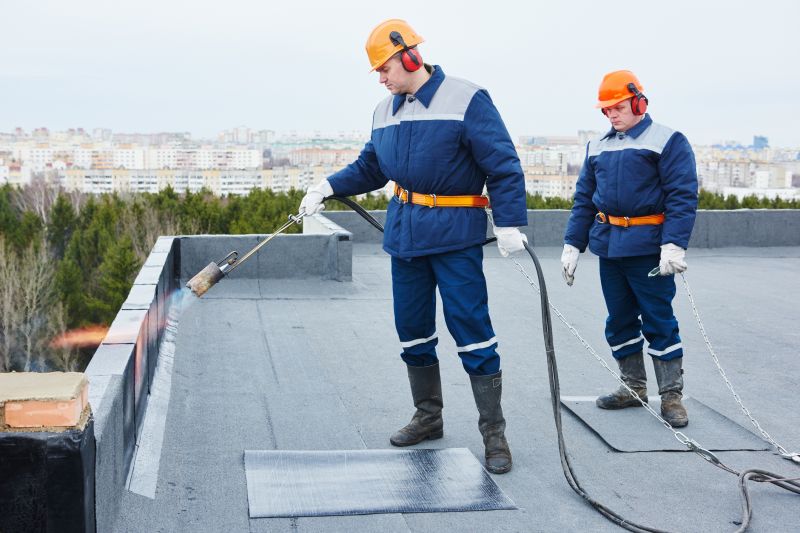
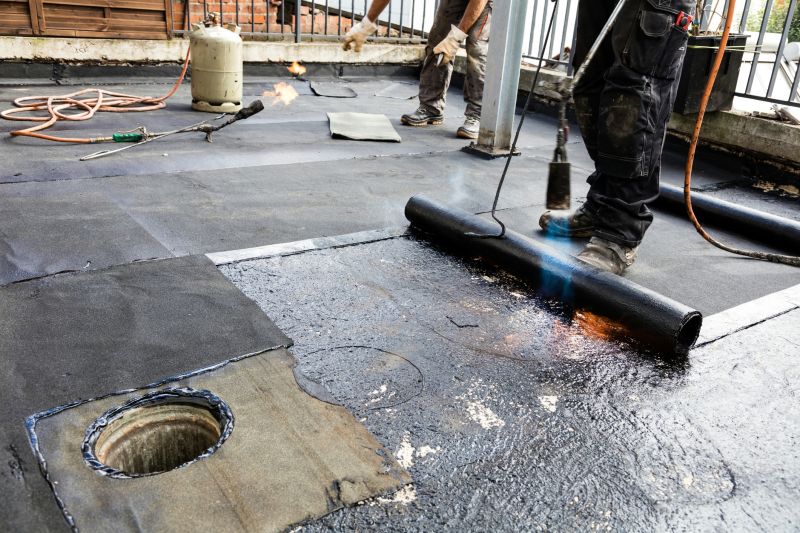
During a flat or single-ply roof installation, property owners can generally expect a series of standard steps that ensure the new roofing system is properly installed. The process often begins with a thorough inspection of the existing roof, followed by preparation work such as removing old roofing materials or making necessary repairs to the underlying structure. Once the area is ready, local contractors typically install a layer of insulation and then lay down the single-ply membrane, which is often rolled out in large sheets. This installation process may involve heat welding or adhesive bonding to create a seamless, durable surface designed to withstand weather conditions common in the area.
Throughout the project, property owners might notice some typical activities on-site, such as the use of specialized tools and equipment to ensure proper sealing and alignment of the membrane. It’s common for contractors to work in sections, gradually covering the entire roof while inspecting each area for quality and consistency. Depending on the scope of the work, there may be some minor disruptions, like noise or limited access to certain parts of the property, but these are usually temporary. Local service providers who handle flat or single-ply roof installations are experienced in managing these steps efficiently, helping property owners understand what to expect during the process and ensuring the job is completed to standard.
What is the typical process during a flat or single-ply roof installation? During a flat or single-ply roof installation, local contractors usually start with surface preparation, followed by installing a new membrane layer, and then finishing with sealing and detailing to ensure durability and waterproofing.
Are there any specific steps involved in preparing the existing roof for installation? Preparation often involves removing debris, inspecting the existing structure for damage, and repairing any issues to ensure a smooth installation of the new membrane by local service providers.
What kind of work do contractors do before installing the new roof? Before installing the new roof, contractors typically clean the surface, repair or replace damaged decking, and apply a primer or base layer to promote adhesion of the single-ply membrane.
What should I expect during the actual installation day? On installation day, local pros will typically lay out the membrane, secure it with adhesives or fasteners, and ensure proper sealing around edges and penetrations for a watertight finish.
Will there be any noticeable disruptions during the installation process? Some disruptions may include noise from equipment and limited access to certain roof areas, but experienced contractors aim to minimize inconvenience while completing the work efficiently.
Preparation process - Property owners can expect local contractors to prepare the roof surface by cleaning and removing debris to ensure proper adhesion of the roofing materials.
Material installation - During installation, local service providers will carefully lay down the single-ply membrane, ensuring it is properly aligned and sealed for durability.
Inspection and adjustments - A thorough inspection is typically performed to check for any gaps or issues, allowing for adjustments before completing the project.
Final walkthrough - Property owners may participate in a final walkthrough to understand the completed work and discuss any questions about the new roofing system.
If you are thinking about what to expect during a flat or single-ply roof installation for a property, this guide is meant to help you understand this topic, the typical project types, and how different options might fit your plans.
When you are ready, you can use the quote form on this page to share a few details about your project. From there, local pros can review the basics and follow up with options that match what you have in mind.