TPO, EPDM, and PVC: Comparing Single-Ply Roof Installation Options
People searching for TPO, EPDM, and PVC roof installation are typically looking to compare durable single-ply roofing options, and local contractors can help them choose the best material and handle the installation professionally.
Choosing the right roof installation for commercial or residential properties can seem complex, especially with options like TPO, EPDM, and PVC. If you're a property owner in the area considering a single-ply roofing system, you're in the right place to explore the differences and practical benefits of each choice. Understanding these options can help you make informed decisions that align with your property's needs, whether it’s durability, energy efficiency, or ease of maintenance. Local contractors specializing in TPO, EPDM, and PVC roof installation are available to provide tailored guidance, ensuring your roof meets your expectations and withstands the demands of the environment.
Exploring the nuances of TPO, EPDM, and PVC can clarify which roofing material best suits your property’s structure and long-term goals. Property owners often look into these options to optimize performance, reduce future repair costs, or improve energy efficiency. Local service providers who offer expertise in installing these single-ply roofing systems can help evaluate your specific situation and recommend the best solution. Keep reading to discover how each material compares and how trusted local contractors can support your project from start to finish.
- TPO roof installation is suitable for large commercial buildings requiring energy-efficient, reflective roofing options handled by local contractors. EPDM roof installation is often chosen for low-slope roofs on industrial or warehouse structures, with local service providers focusing on durability and ease of repair. PVC roof installation is ideal for buildings needing chemical resistance and long-lasting performance, with local pros applying specialized techniques for seamless results. Comparing single-ply roof options helps property owners determine the best material based on climate, building type, and budget, with local contractors providing tailored advice. Choosing between TPO, EPDM, and PVC involves consulting local service providers who can recommend the most appropriate roofing system for specific project needs.
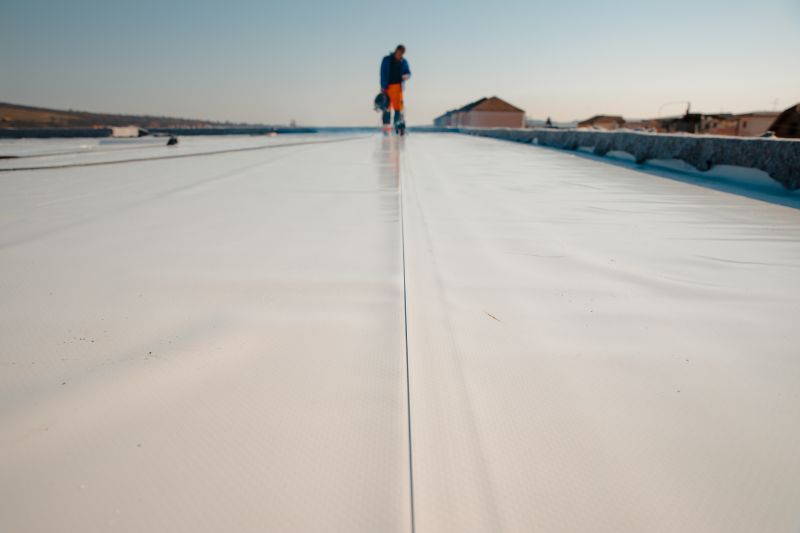
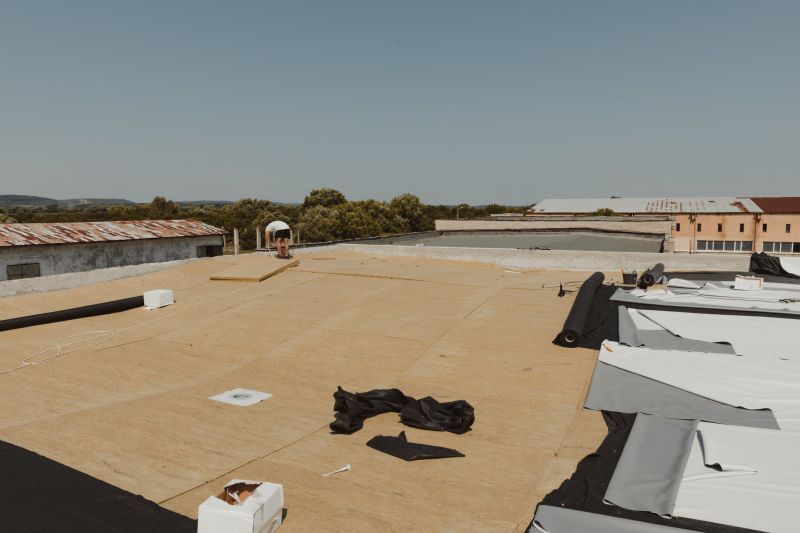
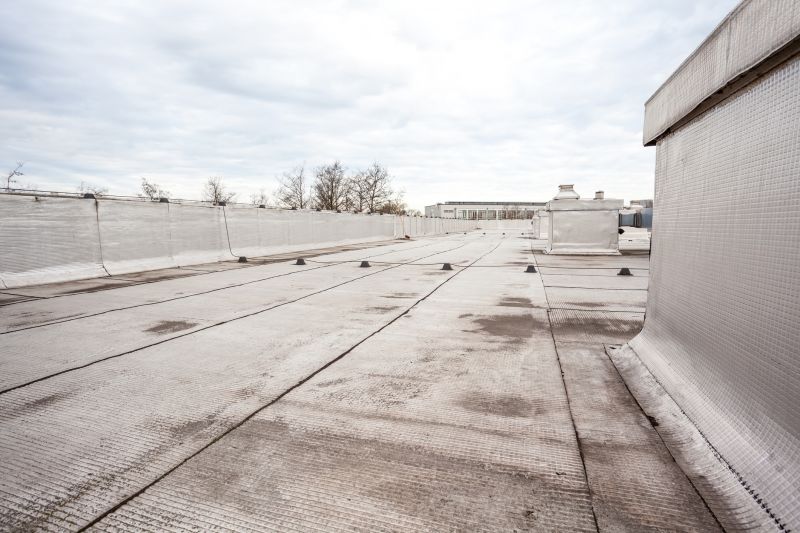
When people search for information on TPO, EPDM, and PVC: comparing single-ply roof installation options, they are often looking to understand the differences between these roofing materials to make informed decisions about their property. This topic typically arises when homeowners or property managers are considering roof replacements or upgrades, especially for flat or low-slope roofs. The goal is to find a durable, cost-effective, and suitable roofing solution that aligns with the specific needs of their building. Many are also interested in learning about the advantages and disadvantages of each material, how they perform over time, and what factors influence the choice of one over another.
These discussions are closely related to common property concerns such as roof leaks, energy efficiency, maintenance costs, and the overall lifespan of the roofing system. Property owners often have plans to improve the building’s waterproofing or to extend the roof’s service life. They may also be exploring options to reduce future repair needs or to meet building codes and warranties. Understanding the differences between TPO, EPDM, and PVC helps property owners identify which material best suits their project goals and environmental conditions, ensuring the installation aligns with their long-term property management plans.
The types of properties that frequently come up in this context include commercial buildings, warehouses, office complexes, and multi-family residential structures. These properties often have flat or low-slope roofs that are ideal for single-ply membrane systems. While some homeowners with flat roofs on accessory structures or garages may also be considering these options, the primary focus tends to be on larger, commercial-scale properties. Local contractors who specialize in single-ply roof installation typically work with these property types, providing guidance on the most suitable membrane for their specific building size, usage, and structural considerations.
Connecting with experienced service providers is a key step in choosing between TPO, EPDM, and PVC roofing options. These local pros can evaluate the unique characteristics of each property, such as climate factors, existing roofing conditions, and budget constraints, to recommend the best material choice. They handle the installation process, ensuring that the selected membrane is properly installed for maximum performance and longevity. By understanding the distinctions between these roofing options, property owners can better collaborate with local contractors to select a solution that meets their needs, helping to protect their investment and maintain the building’s integrity over time.
Commercial roofing projects - local contractors experienced in single-ply membrane installations often handle large-scale commercial roofing that requires precise planning and specialized tools similar to those used for TPO, EPDM, and PVC roofs.
Flat roof replacements - replacing flat roofs involves similar surface preparation and membrane installation techniques as those used in single-ply roof options, making it a related project type handled by local service providers.
Roof membrane repairs - repairing existing membrane roofs requires expertise in handling materials like TPO, EPDM, and PVC, along with tools for sealing and patching, which local contractors frequently use.
Building waterproofing - waterproofing projects on commercial or industrial buildings often involve installing or repairing single-ply membranes, requiring planning and skills comparable to roof installation services.
Roof insulation installation - adding insulation beneath or above membrane roofs involves similar planning and material handling skills as those needed for TPO, EPDM, and PVC roof systems.
Roof coating applications - applying reflective or protective coatings on membrane roofs shares techniques and equipment with the installation and maintenance of single-ply roofing systems by local contractors.
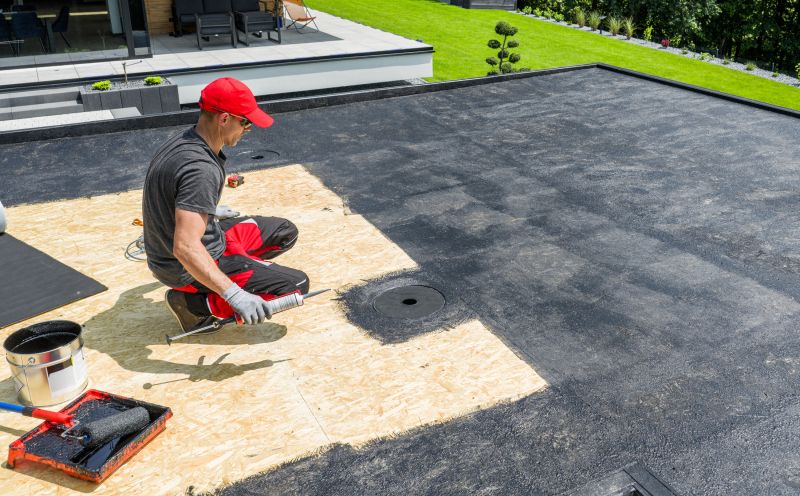
When evaluating service providers for TPO, EPDM, and PVC roof installation, it’s important to consider their experience with similar projects. Homeowners should inquire about the types of single-ply roofing systems the contractors have installed in the past and whether they have worked on roofs comparable in size and complexity. A contractor with a proven track record handling projects like yours can offer insight into potential challenges and solutions, helping to ensure the installation process proceeds smoothly and meets expectations.
Clear, written expectations are essential when comparing local contractors for TPO, EPDM, and PVC roofing services. Homeowners should seek detailed proposals that outline the scope of work, materials to be used, and the installation process. This documentation helps prevent misunderstandings and provides a basis for evaluating bids objectively. Reputable service providers will be transparent about what is included in their services, allowing homeowners to compare offers effectively and make informed decisions based on the specifics of each proposal.
Reputable references and effective communication are key factors in selecting a contractor for single-ply roof installation. Homeowners are encouraged to ask for references from previous clients who had similar roofing systems installed. Speaking with past customers can reveal insights into the contractor’s reliability, quality of work, and professionalism. Additionally, a contractor’s responsiveness and clarity during initial conversations can indicate their ability to communicate effectively throughout the project. Good communication ensures that questions are answered, expectations are clarified, and any concerns are addressed promptly, contributing to a smoother installation experience.
Property owners often search for TPO, EPDM, and PVC: comparing single-ply roof installation options when they are planning practical projects around their homes and businesses. Local pros provide TPO, EPDM, and PVC Roof Installation services for everyday jobs and straightforward project options.
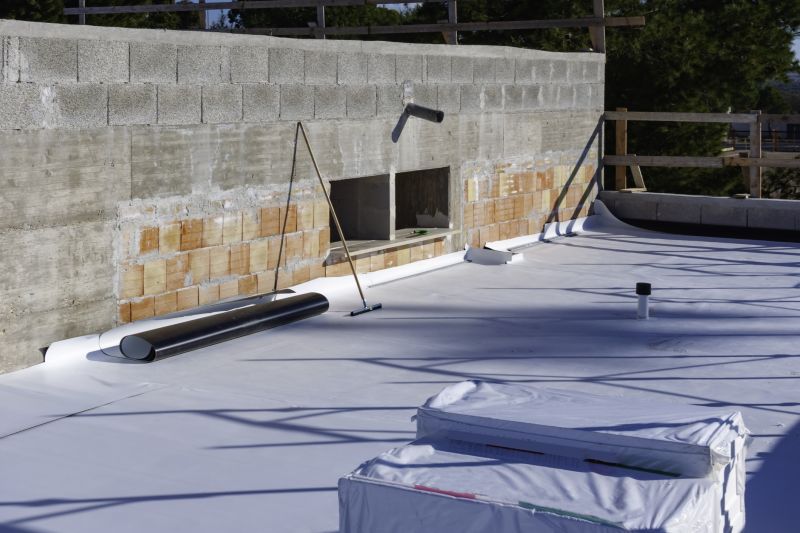
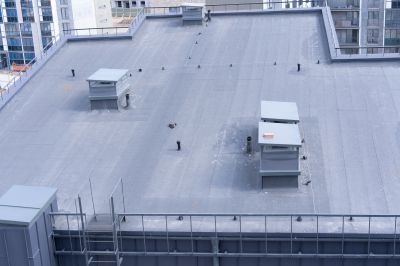
For property owners considering single-ply roof installation options, understanding the differences between TPO, EPDM, and PVC roofing can help inform a practical decision. Homeowners and business owners often look up this topic when their existing roof shows signs of aging, leaks, or damage, and they want a durable, long-lasting solution. Local contractors who specialize in roof installation can provide insights into which material might best suit specific building needs, whether it’s for a commercial warehouse or a residential flat roof. These professionals can help evaluate factors like climate, roof size, and budget to recommend the most appropriate single-ply roofing option.
Choosing between TPO, EPDM, and PVC often comes down to the specific qualities each material offers. TPO is known for its affordability and energy efficiency, making it popular for those seeking cost-effective yet reliable roofing. EPDM is valued for its flexibility and ease of installation, which can be advantageous for complex roof shapes or older structures. PVC, on the other hand, offers excellent chemical resistance and durability, suitable for roofs exposed to harsh conditions. Local service providers who handle roof installation can explain these differences in simple terms and help property owners select the right single-ply roofing material based on their unique needs and goals.
What are the main differences between TPO, EPDM, and PVC roofing options? TPO, EPDM, and PVC are types of single-ply roofing materials, each with unique characteristics. Local contractors can help compare their durability, flexibility, and suitability for different building types to determine the best choice for specific needs.
How do TPO, EPDM, and PVC roofs compare in terms of installation process? The installation methods vary: TPO and PVC are typically heat-welded, while EPDM often uses adhesive or mechanical fastening. Service providers in the area can advise on the installation procedures for each material and ensure proper application.
Which roofing material is most resistant to weather and environmental factors? PVC and TPO are generally more resistant to UV rays and chemical exposure compared to EPDM. Local roof installation experts can assess local climate conditions to recommend the most resilient option.
Are there differences in the lifespan of TPO, EPDM, and PVC roofs? Generally, PVC and TPO roofs tend to have slightly longer lifespans than EPDM, but actual durability depends on installation quality and maintenance. Local pros can provide insights based on experience with each material in the area.
What factors should be considered when choosing between TPO, EPDM, and PVC for a roof? Factors include building type, climate, expected durability, and compatibility with existing roofing systems. Service providers can evaluate these aspects to help select the most appropriate single-ply roofing option.
Material comparison insights - Property owners can explore how TPO, EPDM, and PVC differ in durability and flexibility to choose the best option for their roof type with help from local contractors.
Installation considerations - Thinking about the best installation method for a flat or low-slope roof can be guided by local service providers experienced in single-ply roofing systems.
Application suitability - Property owners can evaluate which roofing material resists weather conditions typical to their area by consulting local pros knowledgeable about TPO, EPDM, and PVC options.
Long-term performance planning - Planning for roof longevity and maintenance needs becomes easier when working with local contractors who can advise on the advantages of each single-ply roofing material.
If you are thinking about TPO, EPDM, and PVC: comparing single-ply roof installation options for a property, this guide is meant to help you understand this topic, the typical project types, and how different options might fit your plans.
When you are ready, you can use the quote form on this page to share a few details about your project. From there, local pros can review the basics and follow up with options that match what you have in mind.